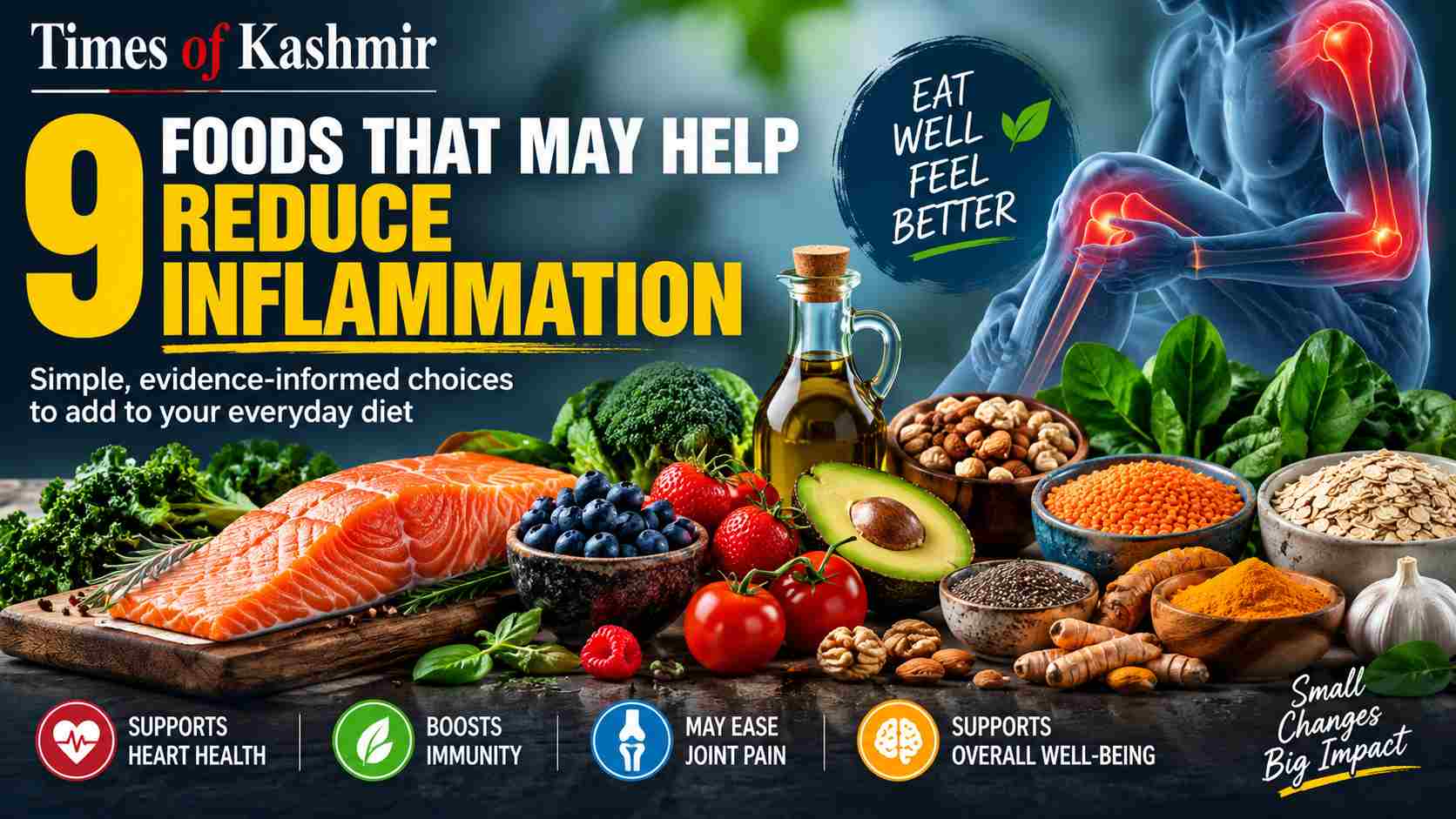
Foods That May Help Reduce Inflammation: What to Eat More Often
Inflammation is not always a bad thing. It is part of the body’s normal immune response and helps protect us when we’re injured or fighting an infection.
The concern is persistent, low-grade inflammation, which can occur alongside conditions such as obesity and metabolic disease and is associated with a higher risk of several chronic health problems.
No single food can switch inflammation off. Instead, research generally points toward an overall eating pattern rich in vegetables, fruits, whole grains, legumes, nuts, seeds, and unsaturated fats.
Here are several foods that can be useful additions to that kind of diet.
1. Fatty Fish: A Source of Omega-3 Fats
Salmon, sardines, trout, herring, and mackerel are rich in long-chain omega-3 fatty acids, particularly EPA and DHA.
These fats are involved in pathways that help regulate the body’s inflammatory response. Regularly eating fish is also associated with cardiovascular benefits.
How to eat it: Try baked salmon with vegetables, sardines on whole-grain toast, or grilled trout with a bean and vegetable salad.
If you don’t eat fish, plant foods such as walnuts, chia seeds, and flaxseeds provide ALA, another type of omega-3 fat.
2. Berries: Small Fruit With a Lot of Plant Compounds
Blueberries, strawberries, raspberries, and blackberries contain fiber and naturally occurring plant compounds called polyphenols.
Anthocyanins, the pigments responsible for the deep red, purple, and blue colors of many berries, have been studied for their potential role in reducing oxidative stress and supporting healthy inflammatory pathways.
Fresh and frozen berries can both be useful choices.
How to eat them: Add berries to plain yogurt or oatmeal, or eat them as a snack instead of a highly processed sweet.
3. Extra-Virgin Olive Oil
Extra-virgin olive oil is a major source of monounsaturated fat and contains numerous bioactive compounds, including polyphenols.
It is one of the characteristic foods of the Mediterranean-style eating pattern, which has been associated with better cardiovascular and metabolic health.
How to use it: Use extra-virgin olive oil in salad dressings, drizzle it over vegetables, or use it in place of butter for some cooking.
The important point is replacement: adding large amounts of oil to an otherwise unhealthy diet isn’t the same as using it instead of less favorable fats.
4. Leafy Green Vegetables
Spinach, kale, collard greens, Swiss chard, and other leafy vegetables provide fiber, vitamins, minerals, carotenoids, and other plant compounds.
Rather than focusing on one “miracle” nutrient, think of leafy greens as part of a broader pattern of eating more minimally processed plant foods.
How to eat them: Add spinach to eggs, use kale in a grain bowl, or combine mixed greens with beans, vegetables, and olive oil.
5. Nuts and Seeds
Almonds, walnuts, pistachios, chia seeds, and flaxseeds provide combinations of unsaturated fats, fiber, minerals, and plant compounds.
Nuts in particular have been extensively studied as part of heart-healthy dietary patterns.
Because they are calorie-dense, a small handful is usually enough for a snack.
Try: Walnuts with fruit, chia seeds in oatmeal, or ground flaxseed mixed into yogurt.
6. Beans and Lentils
Black beans, chickpeas, kidney beans, lentils, and other legumes provide fiber and plant-based protein.
Fiber is particularly important because it supports a healthy gut microbiome. Some compounds produced by gut bacteria during fiber fermentation may influence immune and inflammatory processes.
How to eat them: Add lentils to soup, chickpeas to salads, or beans to a vegetable-and-whole-grain bowl.
7. Whole Grains
Oats, barley, brown rice, quinoa, and other intact or minimally processed whole grains provide more fiber and nutrients than refined grains.
Whole grains can be particularly useful when they replace refined carbohydrates rather than simply being added on top of an already calorie-dense diet.
A simple swap: Replace some white rice with brown rice or quinoa, or choose oatmeal instead of a highly sweetened breakfast cereal.
8. Tomatoes and Other Colorful Vegetables
Tomatoes contain lycopene, while vegetables such as peppers, carrots, and broccoli provide different combinations of carotenoids, vitamin C, and other plant compounds.
Eating a variety of colors is more useful than searching for one “best” vegetable because different plants contain different bioactive compounds.
Simple approach: Try to include several different vegetables throughout the day rather than relying on one food.
9. Green Tea
Green tea contains polyphenols, including a compound called EGCG that has been studied for its biological effects.
Unsweetened green tea can be a useful replacement for sugary drinks and adds another plant-based source of polyphenols to the diet.
If you don’t enjoy green tea, you don’t need to force yourself to drink it. Plenty of other foods provide beneficial plant compounds.
What About Turmeric?
Turmeric is often promoted as a powerful natural anti-inflammatory food because it contains curcumin.
Curcumin has demonstrated anti-inflammatory effects in laboratory and clinical research, but that doesn’t mean adding a little turmeric to food will treat an inflammatory disease.
Food should be viewed as part of an overall dietary pattern—not as a replacement for medical treatment.
If you’re considering concentrated curcumin supplements, discuss them with a healthcare professional, particularly if you take medications.
The Bigger Picture: Your Overall Diet Matters More Than One Food
If inflammation is your concern, focusing on a single “superfood” misses the bigger picture.
A dietary pattern built around:
- Vegetables and fruit
- Beans and lentils
- Whole grains
- Nuts and seeds
- Fish
- Olive oil and other unsaturated fats
- Minimally processed foods
is a more meaningful target than simply adding one ingredient to an otherwise highly processed diet.
At the same time, frequently eating large amounts of ultra-processed foods, sugary drinks, refined carbohydrates, and processed meats can make an overall dietary pattern less favorable.
That doesn’t mean these foods must never be eaten. Frequency, portions, and what replaces them matter.
Can Food Completely Stop Inflammation?
No.
Inflammation is influenced by many factors beyond diet, including sleep, physical activity, body weight, smoking, infections, medications, and underlying medical conditions.
Food can support overall health and may influence inflammatory pathways, but it should not be presented as a cure for chronic inflammatory disease.
If you have persistent symptoms such as unexplained pain, swelling, fever, prolonged fatigue, or other concerning changes, speak with a healthcare professional rather than trying to treat the cause through diet alone.
The Bottom Line
There is no single “anti-inflammatory food.”
The stronger evidence is for overall healthy dietary patterns—particularly those emphasizing vegetables, fruits, legumes, whole grains, nuts, fish, and unsaturated fats.
Instead of searching for one miracle ingredient, make small changes you can maintain: add berries to breakfast, replace refined grains with whole grains, eat fish regularly, use olive oil in place of less favorable fats, and make vegetables a larger part of your meals.
Those ordinary choices, repeated consistently, are more meaningful than any one food trend.