Why Kashmiris Get Kidney Stones – Prevention Tips
Kidney stones are a growing health concern worldwide, but if you live in Kashmir, you are statistically at a higher risk. For decades, doctors in Srinagar, Baramulla, Anantnag, and other districts have reported a significantly higher number of kidney stone cases compared to the rest of India.
If you or your family members have ever experienced the excruciating pain of a kidney stone, you know it is an experience you never want to repeat. But why is this condition so common in the Valley? And more importantly, what can you do to prevent it?
In this detailed guide, we will break down the science, the local lifestyle factors, and the most effective prevention tips tailored for Kashmiri families.
1. What Exactly Are Kidney Stones?
Before we dive into the “why,” let us understand the “what.”
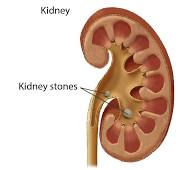
Kidney stones are hard deposits made of minerals and salts that form inside your kidneys. They are essentially “stones” that crystallize when your urine becomes too concentrated.
There are four main types of stones:
- Calcium Oxalate Stones: The most common type (about 80% of cases).
- Uric Acid Stones: Common in people who eat a lot of meat.
- Struvite Stones: Often caused by infections.
- Cystine Stones: Rare and genetic.
In Kashmir, Calcium Oxalate and Uric Acid stones are the most prevalent due to dietary and lifestyle habits.
2. Why Are Kidney Stones So Common in Kashmir?
There is no single reason. It is a combination of geography, diet, and lifestyle. Here are the top 5 reasons specific to Kashmir:
A. Low Water Intake (The Cold Weather Effect)
In cold climates like Kashmir, people naturally feel less thirsty. When it is snowing or freezing outside, you do not crave water the way you do during a hot summer day.
The result: Your body produces less urine. When you urinate less frequently, your urine becomes concentrated with calcium and oxalates. These substances are more likely to stick together and form crystals, which eventually turn into stones.
B. The “Noon Chai” Culture (Sheer Chai)
Kashmiri Noon Chai (Sheer Chai) is a beloved part of the culture. It is the pink, salty tea that Kashmiris drink multiple times a day.
While it is comforting, it contains high amounts of sodium (salt).
The problem: High sodium intake forces your kidneys to excrete more calcium into your urine. High calcium in the urine is the #1 ingredient for calcium-oxalate stones. If you drink multiple cups of salty tea daily and do not drink enough plain water, you are creating a perfect environment for stones.
C. High Consumption of Meat and Spinach
The Kashmiri Wazwan is famous worldwide. However, the heavy reliance on meat (especially red meat) increases uric acid levels in the body.
Furthermore, greens like spinach (Palak) and beetroot are highly nutritious but are also rich in oxalates. When you eat high-oxalate foods with low calcium intake, the oxalates bind with calcium in the kidneys to form stones.
D. Vitamin D Deficiency
Surprisingly, Vitamin D deficiency is very common in Kashmir due to long winters and limited sunlight exposure.
Why this matters: Vitamin D helps your body absorb calcium. When you are deficient, the body struggles to process calcium. The unabsorbed calcium ends up in the kidneys, contributing to stone formation.
E. Genetic and Family History
Unfortunately, if your parents or siblings have had kidney stones, your risk is significantly higher. Due to the close-knit nature of Kashmiri families, dietary habits and genetic predispositions are passed down through generations.
3. Signs and Symptoms You Should NOT Ignore
Often, small stones pass unnoticed. However, when a stone grows large or moves into the ureter (the tube connecting the kidney to the bladder), it can cause a blockage.
Watch out for these signs:
- Severe pain: Sharp, cramping pain in the back or side (flank pain) that comes in waves.
- Pain during urination: A burning sensation when you pass urine.
- Blood in the urine: Your urine may appear pink, red, or brown.
- Frequent urge to urinate: Needing to go often, but only passing small amounts.
- Nausea and vomiting: Often accompanied by the pain.
Warning: If you have a fever with these symptoms, it may indicate an infection. You must see a doctor immediately.
4. How to Prevent Kidney Stones (Kashmir-Specific Tips)
The good news is that about 60-70% of kidney stones can be prevented with lifestyle changes. Here is a practical guide for every Kashmiri household:
Tip 1: Drink 10-12 Glasses of Water Daily
This is the most effective step.
- Forget the cold: Even if it is winter, you must drink water. Keep a thermos with lukewarm water next to you.
- Target: Aim for at least 2.5 to 3 liters of fluid per day.
- Check your urine: If your urine is dark yellow, you are dehydrated. It should be light, clear yellow.
Tip 2: Modify Your Noon Chai Habit
You do not need to quit your favorite tea entirely, but you must reduce your intake.
- Limit: Do not drink more than 2 cups of salty Noon Chai per day.
- Switch: Try switching to green tea or plain milk tea (without salt) for your other cups.
- Counteract: For every cup of salty tea you drink, add an extra glass of plain water to your daily intake.
Tip 3: Eat Calcium-Rich Foods (Yes, You Read That Right)
Many people think they should avoid calcium to prevent stones. This is a myth.
If you do not eat enough calcium, the oxalates in your food will bind with calcium in your kidneys instead of your stomach.
Solution: Eat calcium-rich foods like milk, curd (Yogurt), and cheese (Paneer) during meals. This allows the oxalates to bind in the stomach and pass through the stool, not the kidneys.
Tip 4: Reduce Salt and Meat
- Salt: Stop adding extra salt to your salads or rice. Limit processed foods like pickles and chips.
- Meat: Limit red meat (Mutton, beef) to once a week. When you do eat it, pair it with plenty of vegetables.
Tip 5: Lemonade is Your Friend
Lemons contain citrate, which is a natural stone inhibitor. It prevents calcium from forming stones.
- Action: Squeeze half a lemon into a glass of lukewarm water and drink it every morning on an empty stomach.
Tip 6: Watch High-Oxalate Vegetables
Do not stop eating vegetables, but be mindful of portion sizes.
- Limit: Spinach, beetroot, and nuts (almonds/walnuts) are healthy but high in oxalates.
- Boil them: If you are eating spinach, boiling it reduces the oxalate content significantly. Just drain the water before cooking.
5. Home Remedies for Passing Small Stones
If you have a small stone (less than 5mm) and the doctor has said you can pass it naturally, here are a few remedies to ease the process:
- Hydration: Drink 3-4 liters of water to flush the stone out.
- Basil (Tulsi) Tea: Drinking basil tea can help soothe the urinary tract and reduce pain.
- Pomegranate Juice: Known to help reduce the acidity of urine, which may help with uric acid stones.
Important: These are for relief, not a cure. If the pain is unbearable, please visit a doctor in Srinagar or your nearest hospital.
6. When to See a Doctor
Do not rely on home remedies for severe cases. Visit a healthcare professional immediately if you experience:
- High fever with chills.
- Complete inability to urinate.
- Pain so severe you cannot sit or stand.
- Blood clots in the urine.
Conclusion: Small Changes, Big Protection
Kidney stones are not a life sentence. They are preventable.
As Kashmiris, we love our food, our Noon Chai, and our culture. But we must adapt to protect our kidneys.
Your Daily Action Plan:
- Wake up and drink a glass of lemon water.
- Eat breakfast with a bowl of curd.
- Carry a 1-liter water bottle wherever you go.
- Limit your salty tea to morning and evening only.
- Eat meat sparingly and load up on boiled vegetables.
Your health is your greatest wealth. Take care of your kidneys, and they will take care of you.
Found this article helpful? Share this with your family and WhatsApp groups. You might save a relative from severe kidney pain!
Disclaimer: This article is for informational purposes only and does not constitute medical advice. Always consult a qualified doctor for diagnosis and treatment.
How to Use This Article:
- Copy the entire text above.
- Go to your website dashboard.
- Create a New Post.
- Paste this content.
- Add a few images (you can search for “kidney stone prevention” images on free sites like Unsplash or Pexels).
- Publish it and share the link on your 2k monetized Facebook page immediately.