Can Fatty Liver Be Reversed? What You Should Know
Can fatty liver be reversed? In many cases, yes. Fatty liver disease can often be improved—and in its earlier stages, liver fat may be reduced substantially—through weight management, a healthier diet, regular physical activity, and control of conditions such as diabetes and high cholesterol.
The good news is that the liver has a remarkable ability to recover when the factors causing liver injury are addressed. However, fatty liver should not be ignored. If inflammation and scarring develop over time, the disease can progress to more serious liver problems.
According to the National Institute of Diabetes and Digestive and Kidney Diseases (NIDDK), gradual weight loss can reduce liver fat, inflammation and, in some people, liver fibrosis.
What Is Fatty Liver Disease?
Fatty liver disease occurs when excess fat accumulates in the liver.
One common form is metabolic dysfunction-associated steatotic liver disease (MASLD), previously known as nonalcoholic fatty liver disease (NAFLD). It is often associated with excess body weight, insulin resistance, type 2 diabetes, abnormal cholesterol or triglyceride levels, and metabolic syndrome.
Another form is alcohol-associated liver disease, in which alcohol contributes to liver injury and fat accumulation.
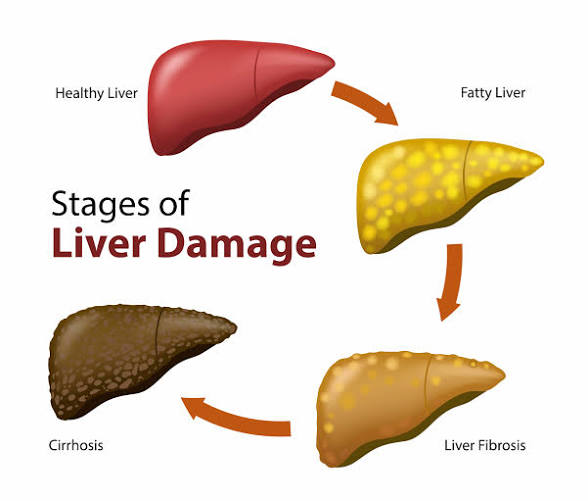
Fatty liver can exist without significant inflammation or damage, but some people develop a more serious form in which inflammation and liver-cell injury occur. This can eventually lead to fibrosis, cirrhosis and other complications.
Can Fatty Liver Really Be Reversed?
In many people, yes—especially when it is diagnosed before significant permanent scarring has developed.
The amount of improvement depends on the cause of fatty liver, how advanced the disease is, and whether the underlying risk factors are controlled.
For people with metabolic fatty liver disease, weight loss is one of the most effective lifestyle interventions. NIDDK notes that losing at least 3% to 5% of body weight can reduce liver fat, while approximately 7% to 10% weight loss may be needed to improve liver inflammation and fibrosis.
The American Association for the Study of Liver Diseases also notes that greater weight loss—particularly more than 10%—is generally associated with improvements in steatohepatitis and fibrosis.
This does not mean everyone with fatty liver needs to lose 10% of their weight. Even modest, sustainable changes can be beneficial.
How Much Weight Loss Can Help Fatty Liver?
Weight loss goals should be individualized, but research provides useful benchmarks.
For someone weighing 100 kg:
- 3% weight loss = about 3 kg
- 5% weight loss = about 5 kg
- 7% weight loss = about 7 kg
- 10% weight loss = about 10 kg
Even the first few kilograms can begin reducing liver fat.
The important point is that gradual and sustainable weight loss is better than crash dieting. Rapid weight loss and malnutrition can potentially worsen liver disease.
Why Belly Fat Matters
Fatty liver is not simply about how much a person weighs.
Excess abdominal fat is closely associated with insulin resistance and metabolic problems that can contribute to liver fat accumulation.
A person can therefore have fatty liver even without severe obesity.
Reducing overall body fat—particularly when accompanied by better blood sugar control and increased physical activity—can help improve metabolic health and reduce liver fat.
What Should You Eat If You Have Fatty Liver?
There is no single food that “cleanses” or “detoxes” the liver.
Instead, focus on an overall healthy eating pattern.
Eat More Vegetables
Vegetables provide fiber and nutrients while generally being relatively low in calories.
Try including:
- Leafy greens
- Broccoli
- Cauliflower
- Carrots
- Tomatoes
- Cucumbers
- Peppers
- Beans and other vegetables
Aim to make vegetables a major part of your meals.
Choose Whole Fruits
Fruit can be part of a healthy diet.
However, whole fruit is generally preferable to fruit juice because whole fruit provides fiber and takes longer to consume.
Choose Whole Grains More Often
Whole grains can be preferable to highly refined carbohydrates.
Examples include:
- Oats
- Barley
- Brown rice
- Whole-grain bread
- Whole-grain cereals
NIDDK recommends low-glycemic-index foods such as many vegetables, fruits and whole grains while limiting foods high in simple sugars.
Reduce Added Sugar
One of the most important dietary changes is reducing foods and drinks containing large amounts of added sugar.
Pay particular attention to:
- Soft drinks
- Sweetened juices
- Energy drinks
- Sweetened tea and coffee
- Candy
- Cakes
- Cookies
- Sweetened breakfast cereals
- Other highly processed sugary foods
NIDDK specifically recommends avoiding foods and drinks containing large amounts of simple sugars, including fructose-containing sweetened beverages.
Choose Healthier Fats
Not all dietary fats are the same.
Replacing saturated and trans fats with healthier unsaturated fats can be a better choice.
Examples include:
- Nuts
- Seeds
- Olive oil
- Avocado
- Fatty fish
However, healthy fats are still calorie-dense, so portion sizes matter.
What About Rice and Fatty Liver?
You do not necessarily have to completely eliminate rice.
The bigger issue is portion size and the overall quality of your diet.
Large portions of refined carbohydrates, particularly when combined with sugary foods, excess calories and inactivity, can make weight management more difficult.
Consider balancing your plate with vegetables, an appropriate protein source and a moderate portion of rice or another whole-grain carbohydrate.
Is Exercise Good for Fatty Liver?
Yes.
Physical activity can benefit people with fatty liver, including those who do not experience major weight loss.
Exercise can improve insulin sensitivity, cardiovascular fitness and metabolic health while helping reduce liver fat.
A practical approach is to combine:
- Brisk walking
- Cycling
- Swimming
- Jogging
- Other aerobic activity
- Strength training
You do not need to start with intense workouts.
If you have been inactive, begin gradually and increase your activity as your fitness improves.
NIDDK notes that physical activity can benefit fatty liver even without weight loss.
Do You Need to Stop Alcohol?
If alcohol is contributing to liver disease, stopping alcohol is an important part of treatment.
Even in metabolic fatty liver disease, alcohol can add another source of liver injury. NIDDK recommends minimizing alcohol use in people with NAFLD.
If you have liver disease and are unsure whether any amount of alcohol is safe for you, discuss it with your doctor.
Can Fatty Liver Be Reversed Without Losing Weight?
Exercise and dietary improvements can reduce liver fat even when the number on the scale does not change significantly.
However, if you have overweight or obesity, weight loss is one of the most effective strategies for improving metabolic fatty liver disease.
The goal should not simply be “lose weight quickly.”
The goal is to lose excess weight gradually and keep it off.
What About Liver Detox Drinks?
You may see claims online that lemon water, green tea, apple cider vinegar, herbal drinks or special juices can “flush fat out of the liver.”
These claims are often exaggerated.
There is no magic drink that can replace weight management, physical activity and treatment of metabolic risk factors.
Some herbal supplements can even harm the liver. NIDDK advises people to speak with a healthcare professional before using dietary supplements or alternative treatments because certain herbal products can cause liver injury.
Water is important for hydration, but it does not literally wash fat out of the liver.
Can Fatty Liver Become Cirrhosis?
It can.
Not everyone with fatty liver develops cirrhosis, but some people develop inflammation and progressive fibrosis.
Over time, advanced fibrosis can progress to cirrhosis, in which significant permanent scarring changes the structure and function of the liver.
This is why fatty liver should be taken seriously even when a person feels completely healthy.
Fatty liver is often a silent condition, meaning many people have few or no symptoms.
What Are the Symptoms of Fatty Liver?
Many people with fatty liver have no obvious symptoms.
When symptoms occur, they can include:
- Fatigue
- General weakness
- Discomfort in the upper-right abdomen
However, symptoms alone cannot determine whether someone has fatty liver or how advanced the disease is.
How Is Fatty Liver Diagnosed?
Doctors may use a combination of:
- Medical history
- Physical examination
- Blood tests
- Ultrasound
- Other imaging tests
- Non-invasive tests for liver fibrosis
- In selected cases, liver biopsy
An ultrasound may show that fat is present in the liver, but additional evaluation may be needed to determine whether significant inflammation or fibrosis is present.
Doctors may also evaluate conditions associated with fatty liver, including diabetes, abnormal cholesterol and triglycerides, obesity and metabolic syndrome.
What Blood Tests May Be Checked?
Depending on the situation, a doctor may order tests such as:
- ALT
- AST
- Bilirubin
- Albumin
- Platelet count
- Blood glucose
- HbA1c
- Cholesterol
- Triglycerides
Liver enzymes can provide useful information, but normal liver enzymes do not necessarily mean that there is no liver disease.
That is why doctors may use additional risk assessment or imaging when appropriate.
What Is Fibrosis?
Fibrosis means scar tissue has developed in the liver.
Early-stage fibrosis may improve when the underlying cause is successfully treated.
Advanced fibrosis and cirrhosis are much more serious and require medical management.
This distinction is important because simply knowing that someone has “fatty liver” does not tell the whole story.
Two people can both have fatty liver on an ultrasound but have very different levels of liver damage.
Can Stage 1 Fatty Liver Be Reversed?
Early fatty liver is generally more responsive to lifestyle changes than advanced disease.
Reducing excess body weight when appropriate, improving diet, exercising regularly, controlling blood sugar and managing cholesterol and triglycerides can substantially improve liver health.
However, an ultrasound grading such as “mild” or “moderate” should not be interpreted as a complete assessment of fibrosis.
Talk with a healthcare professional about whether additional testing is appropriate.
Can Moderate or Severe Fatty Liver Be Reversed?
Improvement is still possible, but more advanced disease deserves closer medical supervision.
Lifestyle changes remain important, but people with significant fibrosis or suspected steatohepatitis may need additional evaluation and, depending on their individual situation, specialist care.
The earlier significant liver damage is identified, the more opportunity there may be to prevent further progression.
What About Medicines for Fatty Liver?
Treatment depends on the specific type and severity of liver disease and the person’s other health conditions.
There is no universal “fatty liver pill.”
NIDDK states that no medicines were approved specifically to treat NAFLD/NASH in the source guidance, while newer treatment options and indications continue to evolve.
Doctors may nevertheless prescribe medications to manage associated conditions such as diabetes, high cholesterol, obesity or high blood pressure.
Never start or stop a medication specifically for fatty liver without medical advice.
The Best Foods for Fatty Liver
Instead of searching for one “best” food, build a balanced diet around foods such as:
- Vegetables
- Whole fruits
- Whole grains
- Beans and legumes
- Fish
- Lean protein
- Nuts and seeds
- Unsaturated fats
At the same time, reduce:
- Sugary drinks
- Added sugars
- Highly processed foods
- Excess saturated fat
- Large portions
- Excess calories
The overall eating pattern matters much more than one particular food.
7 Signs Your Blood Sugar May Be Too High
20 High-Protein Vegetarian Foods to Add to Your Diet
Foods and Drinks to Limit
Some of the biggest targets include:
Sugary beverages: They can add large amounts of sugar and calories without making you feel full.
Highly processed foods: Many are high in calories, refined carbohydrates, saturated fat and sodium.
Large portions: Even healthy foods can contribute to weight gain when eaten in excessive amounts.
Foods high in added sugar: Frequent high sugar intake can make controlling calorie intake and metabolic health more difficult.
Alcohol: If you have liver disease, discuss alcohol use with your healthcare professional.
NIDDK recommends limiting portion sizes, choosing healthier fats and reducing foods and drinks high in simple sugars.
How Long Does It Take to Reverse Fatty Liver?
There is no single timeline.
Some people may see improvements in liver fat and metabolic markers within months after making sustained lifestyle changes, while others need longer.
The important factor is consistency.
A short-term diet followed by returning to previous eating habits is unlikely to provide lasting benefits.
Think in terms of months and years—not overnight detoxes.
What Happens If You Regain the Weight?
Maintaining weight loss is important.
When excess weight is regained, metabolic problems and liver fat can return.
Therefore, the most effective approach is not simply reaching a target weight but developing eating and activity habits that can realistically be maintained long term.
Can You Prevent Fatty Liver From Getting Worse?
In many cases, you can reduce the risk of progression by addressing the factors that contribute to liver injury.
Important steps include:
- Maintain a healthy weight
- Lose excess weight gradually if needed
- Exercise regularly
- Eat a balanced diet
- Reduce added sugar
- Avoid excessive alcohol
- Control blood sugar
- Manage cholesterol and triglycerides
- Follow your doctor’s recommendations
- Avoid unnecessary supplements that may damage the liver
When Should You See a Doctor?
Talk with a healthcare professional if you have been told that you have fatty liver, particularly if you also have:
- Type 2 diabetes
- Obesity
- High cholesterol or triglycerides
- High blood pressure
- Abnormal liver tests
- A history of significant alcohol use
- Evidence of liver fibrosis
- Persistent abdominal symptoms
Medical evaluation can help determine whether you have simple fatty liver or a condition involving inflammation or fibrosis.
Warning Signs of Advanced Liver Disease
Seek medical attention promptly if you develop symptoms such as:
- Yellowing of the skin or eyes
- Swelling of the abdomen or legs
- Vomiting blood
- Black or tarry stools
- Confusion or unusual sleepiness
- Severe weakness
- Significant unexplained weight loss
These symptoms can indicate serious liver complications and require medical evaluation.
The Bottom Line
Can fatty liver be reversed? In many cases, yes.
The earlier fatty liver is addressed, the better the opportunity to reduce liver fat and prevent progression.
For people with metabolic fatty liver disease, the most important steps are usually gradual weight loss when appropriate, regular physical activity, a balanced diet, reduced added sugar, and management of conditions such as diabetes and abnormal cholesterol.
Even a 3%–5% reduction in body weight can reduce liver fat, while approximately 7%–10% may provide greater benefits for liver inflammation and fibrosis.
There is no magic detox drink or single food that reverses fatty liver. Sustainable lifestyle changes—and medical care when needed—are the foundation of protecting your liver.
If you have already been diagnosed with fatty liver, don’t panic. Fatty liver is often treatable, and meaningful improvement is possible when the underlying causes are addressed.
Frequently Asked Questions
Is fatty liver reversible?
Yes. Early fatty liver, particularly metabolic fatty liver disease, can often improve significantly with lifestyle changes and treatment of underlying metabolic risk factors.
How much weight should I lose for fatty liver?
Even 3%–5% weight loss can reduce liver fat. Around 7%–10% may provide greater improvement in inflammation and fibrosis for people who need to lose weight.
Can walking help fatty liver?
Yes. Regular physical activity can benefit liver health and may reduce liver fat even without substantial weight loss.
Can I eat rice if I have fatty liver?
Rice does not necessarily need to be eliminated. Portion size, overall calorie intake and the quality of the rest of the diet are important.
Is fruit good for fatty liver?
Whole fruit can be part of a healthy diet. Whole fruit is generally preferable to sugary fruit drinks and juices.
Does lemon water cure fatty liver?
No. Lemon water can be part of a healthy hydration routine, but there is no evidence that it independently “cleans” or reverses fatty liver.
Can fatty liver become cirrhosis?
Yes. In some people, ongoing inflammation and fibrosis can eventually lead to cirrhosis. Not everyone with fatty liver will develop cirrhosis.
Can fatty liver be reversed without medicine?
Many people with early metabolic fatty liver disease can improve through lifestyle changes. Whether medication or specialist treatment is needed depends on the cause and severity of the disease.
Should I stop alcohol if I have fatty liver?
Alcohol can add liver injury. If you have fatty liver or another liver condition, discuss alcohol use with your healthcare professional.
Can normal liver enzymes mean my liver is healthy?
Not necessarily. Liver enzymes are useful but do not by themselves determine whether significant liver disease or fibrosis is present.