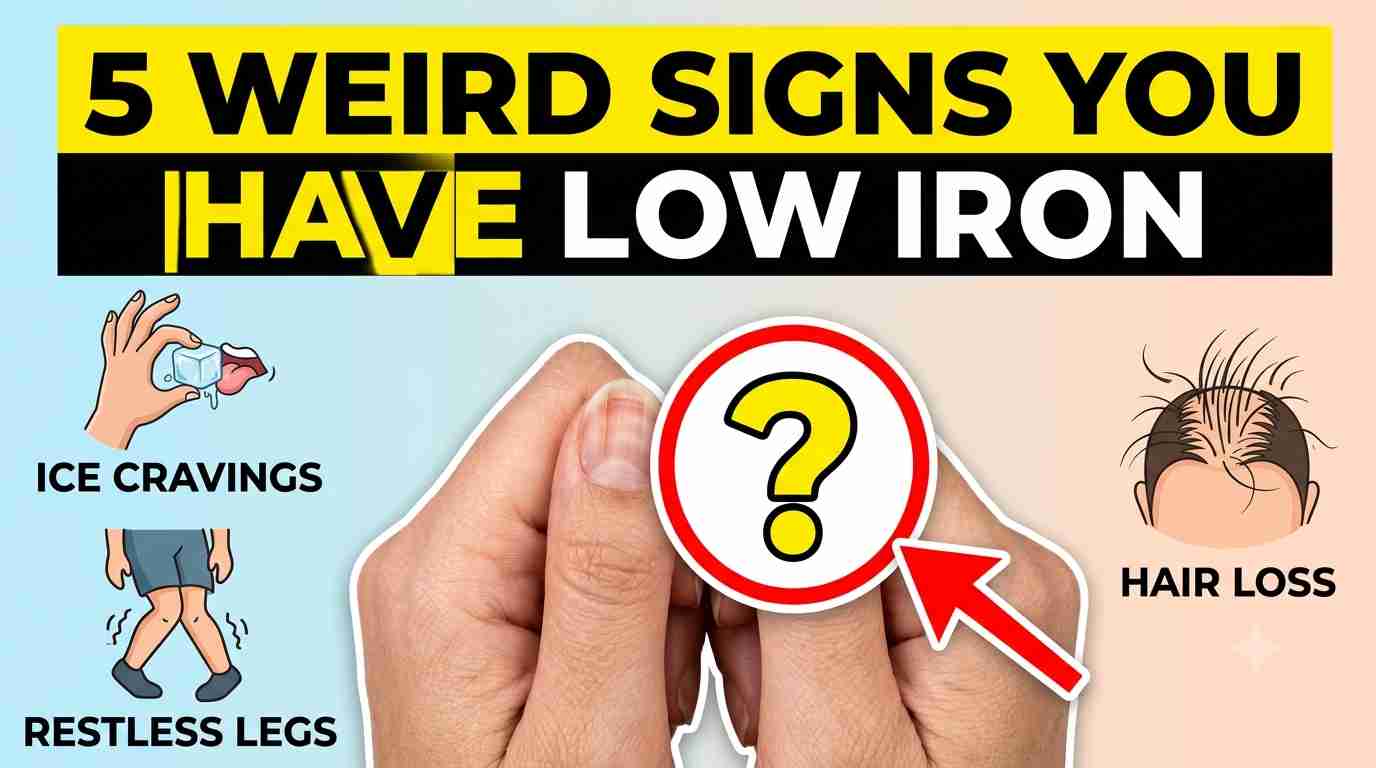
Iron Deficiency ;Feeling constantly exhausted is the most common sign of low iron. But iron deficiency doesn’t always present as classic fatigue—it can also show up in surprising, unexpected ways across your body.
Some symptoms may seem entirely unrelated to nutrition, ranging from intense cravings for non-food items to subtle changes in your hair, skin, and nails. While these signs don’t automatically mean your iron levels are low, noticing several together is a strong reason to consult a healthcare professional.
Here are five lesser-known signs of iron deficiency to keep on your radar.
1. Craving Ice or Non-Food Items (Pica & Pagophagia)
One of the most unusual symptoms of low iron is pica—a condition characterized by persistent cravings for substances with no nutritional value, such as dirt, clay, or chalk.
A specific form of pica called pagophagia involves compulsive ice chewing. While researchers don’t fully understand the underlying mechanism, some studies suggest chewing ice may trigger a vascular response that increases alertness in people with iron-deficiency anemia. If you find yourself constantly reaching for ice cubes, your body may be signaling low iron stores.
2. Unexplained Hair Shedding or Thinning
Iron is an essential cofactor for ribonucleotide reductase, an enzyme required for cell division in hair follicle matrix cells. When iron levels drop, your body prioritizes sending available iron to critical organs over maintaining hair growth.
This shift can lead to increased hair shedding or diffuse thinning (telogen effluvium). Because hair loss can also stem from thyroid imbalances, stress, or hormonal changes, a blood test is necessary to confirm whether iron deficiency is playing a role.
3. Brittle or Spoon-Shaped Nails (Koilonychia)
Your nails offer a clear window into your nutritional status. Mild iron deficiency often causes brittle, easily split, or flaking nails.
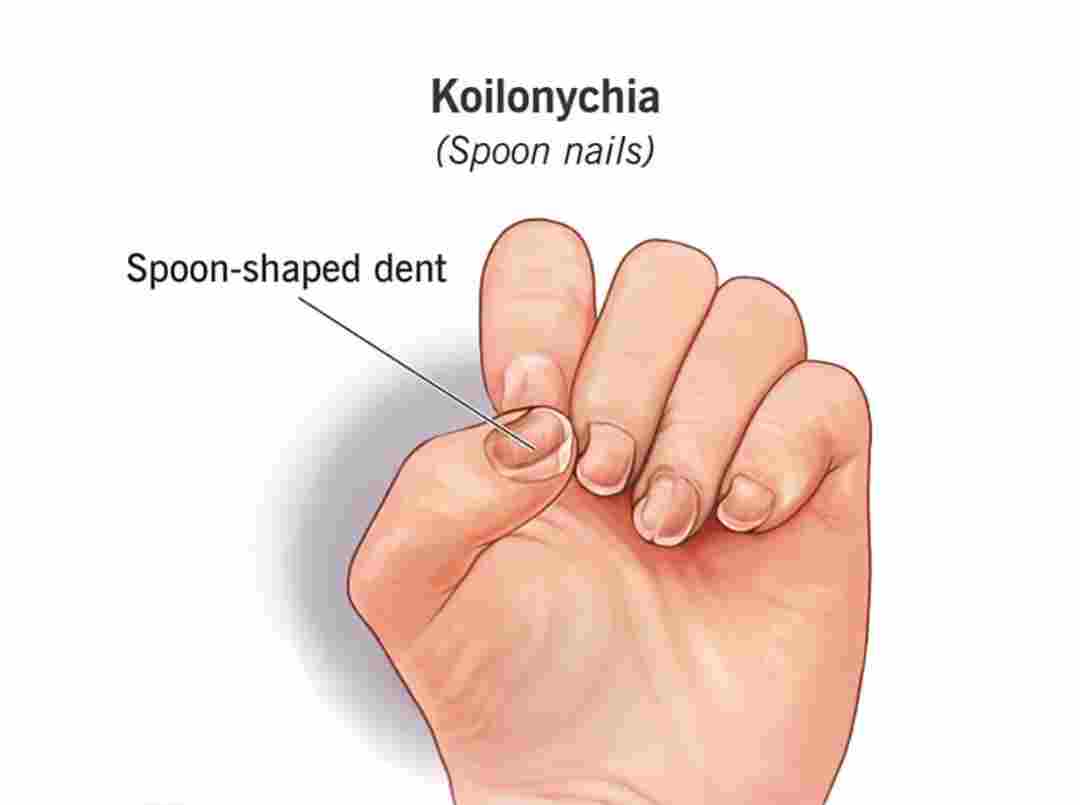
In more severe or prolonged cases, it can lead to koilonychia—a condition where the nail bed becomes thin, flattened, and concave with raised edges, giving it a spoon-like appearance capable of holding a drop of liquid.
4. A Sore, Swollen, or Unusually Smooth Tongue (Atrophic Glossitis)
Iron deficiency directly impacts oral mucosa health. A decrease in iron-dependent proteins can lead to atrophic glossitis, where the papillae (the small bumps on the surface of the tongue) shrink and disappear.
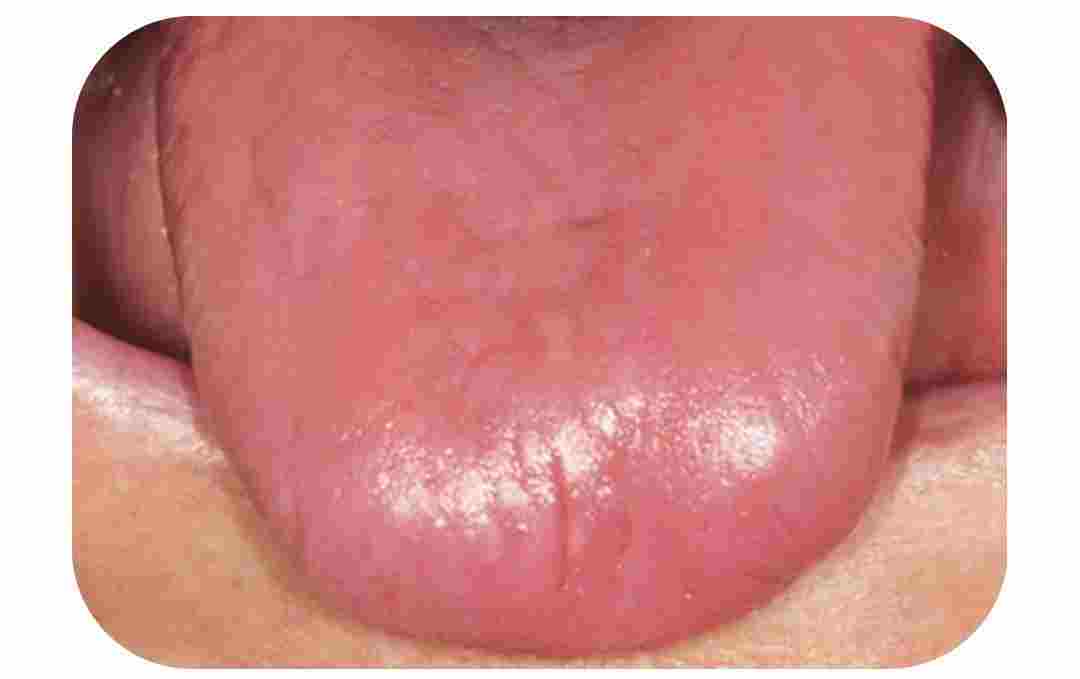
This leaves the tongue looking unusually smooth, pale, or inflamed, often accompanied by burning sensations, swelling, or painful cracks at the corners of the mouth (angular cheilitis).
14 Signs of Vitamin D Deficiency: Symptoms, Foods & Recovery Time
Signs Your Cholesterol May Be Too High: What Your Body Can—and Can’t—Tell You
7 Symptoms of High Blood Pressure You Should Know
5. Restless Legs Syndrome (RLS)
An irresistible urge to move your legs—especially when lying down or trying to fall asleep—is the hallmark of Restless Legs Syndrome (RLS).
Iron plays a vital role in dopamine synthesis within the brain, which regulates muscle movement. Low iron levels in the central nervous system can disrupt dopamine signaling, triggering crawling, tingling, or aching sensations in the legs that temporarily improve with movement.
Common vs. Unobvious Iron Deficiency Symptoms
| Symptom Category | Associated Signs |
|---|---|
| Classic Symptoms | Persistent fatigue, pale skin, shortness of breath, dizziness, cold hands/feet |
| Unobvious Symptoms | Ice cravings (pagophagia), hair shedding, spooned nails (koilonychia), smooth tongue, RLS |
Underlying Causes of Iron Deficiency
Iron deficiency isn’t a diagnosis on its own—it is a symptom of an underlying issue. Primary causes include:
- Inadequate Dietary Intake: Diets low in iron-rich foods, particularly strict vegan or vegetarian diets without proper planning.
- Blood Loss: Heavy menstrual cycles, frequent blood donation, or occult gastrointestinal bleeding (such as from ulcers, polyps, or celiac disease).
- Absorption Issues: Conditions like Crohn’s disease, celiac disease, or prior gastric bypass surgery that impede nutrient absorption.
- Increased Demand: Pregnancy and rapid growth phases in childhood and adolescence.
How Iron Deficiency Is Diagnosed
Self-diagnosing based on symptoms alone is unreliable. A proper medical evaluation typically includes:
- Complete Blood Count (CBC): Checks hemoglobin and hematocrit to determine if anemia is present.
- Serum Ferritin Test: Measures your body’s stored iron. Ferritin can drop significantly before your hemoglobin drops, making it the most sensitive marker for early iron depletion.
- Transferrin Saturation & Total Iron-Binding Capacity (TIBC): Evaluates how efficiently iron is transported through your bloodstream.
Warning: Do not take high-dose iron supplements without medical guidance. Excess iron accumulates in organs such as the liver and heart, leading to iron overload (hemochromatosis). Supplementing without testing can also mask serious underlying issues like internal bleeding.
Optimizing Dietary Iron & Absorption
Dietary iron comes in two forms: heme (found in animal products) and non-heme (found in plant foods). Heme iron is absorbed significantly more efficiently than non-heme iron.
- Iron-Rich Foods: Lean red meat, poultry, seafood, lentils, beans, spinach, tofu, and fortified cereals.
- Absorption Boosters: Pair non-heme iron sources with Vitamin C (citrus fruits, bell peppers, tomatoes) to convert non-heme iron into a more absorbable form.
- Absorption Blockers: Avoid drinking coffee or tea alongside iron-rich meals, as the tannins and polyphenols bind to iron and reduce absorption by up to 60–70%.
Frequently Asked Questions
What is the difference between iron deficiency and iron-deficiency anemia? Iron deficiency occurs when your body’s iron stores (ferritin) run low, but red blood cell production remains unaffected. Iron-deficiency anemia is a more advanced stage where iron stores are so depleted that your body can no longer produce sufficient hemoglobin, reducing oxygen transport throughout the body.
Why shouldn’t I drink tea or coffee with iron supplements or meals? Tea and coffee contain polyphenols, tannins, and phytates that bind to non-heme iron in the digestive tract, forming insoluble complexes that your body cannot absorb. It is best to wait at least 1 to 2 hours between consuming tea or coffee and taking iron supplements or iron-rich meals.
How long does it take to reverse an iron deficiency? While energy levels may improve within a few weeks of starting doctor-prescribed supplementation, fully replenishing your body’s iron stores (ferritin levels) typically takes 3 to 6 months of consistent treatment.
When is the best time of day to take an iron supplement? Iron is best absorbed on an empty stomach with a glass of water or orange juice (Vitamin C). However, if iron causes stomach upset or nausea, your doctor may recommend taking it with a small, non-dairy snack.