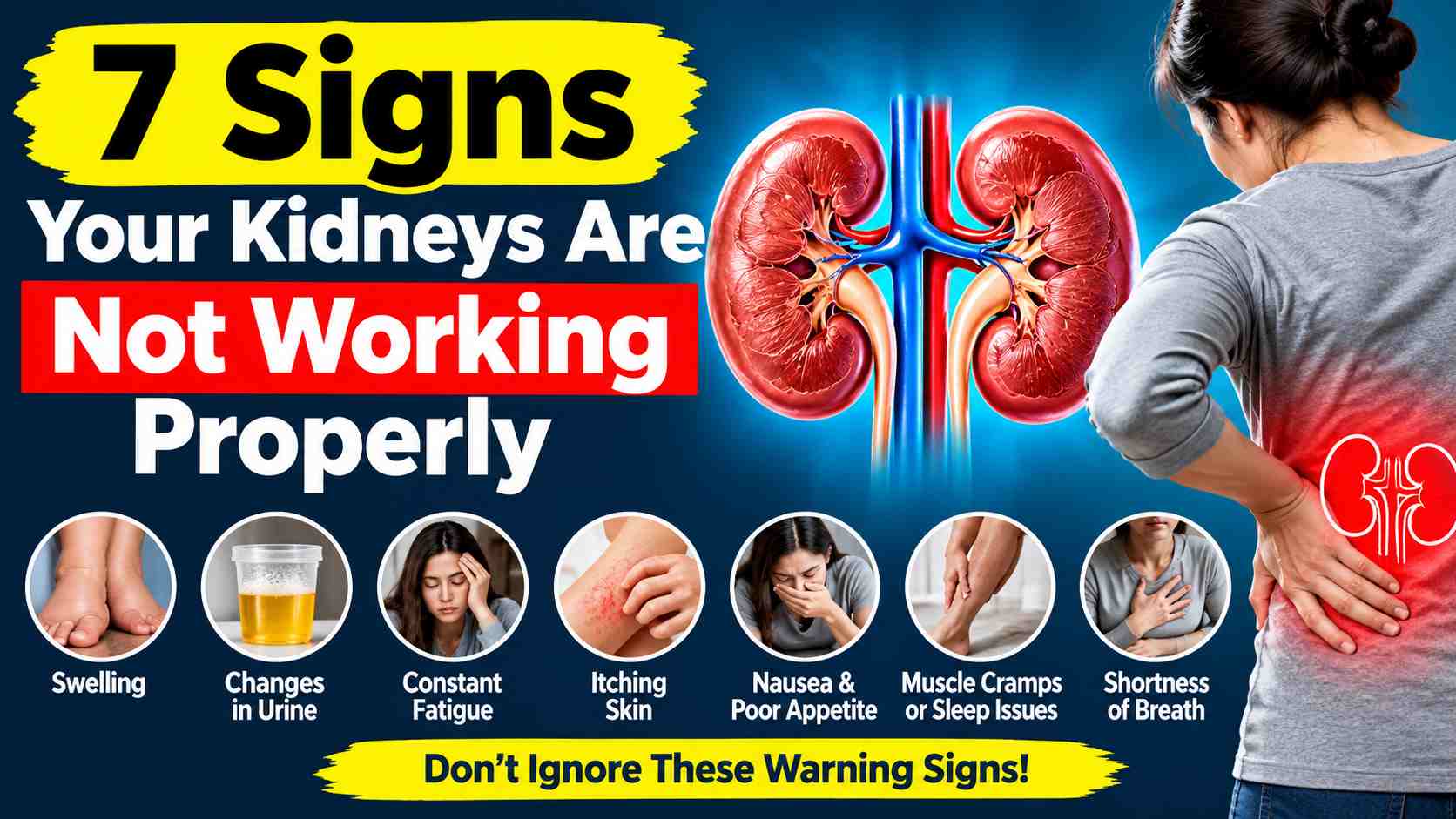
7 Signs Your Kidneys Are Not Working Properly:Your kidneys are small organs with a remarkably important job. They filter waste and excess fluid from your blood, help maintain the body’s fluid and mineral balance, and play an important role in regulating blood pressure and producing red blood cells.
The challenge is that kidney disease can develop quietly. In its early stages, chronic kidney disease (CKD) often causes few or no noticeable symptoms. The CDC says that CKD frequently goes undetected because many people do not feel sick until the disease has become more advanced.
That is why kidney disease is often described as a “silent” condition.
Early detection matters. Simple blood and urine tests can identify kidney damage or reduced kidney function, particularly in people at higher risk. Finding a problem earlier gives you and your healthcare professional more opportunity to address the underlying cause and slow progression.
Signs Your Body May Be Aging Faster Than Expected: 7 Warning Signs
10 signs of weak immune system: Warning Signs to Know
14 Signs of Vitamin D Deficiency: Symptoms, Foods & Recovery Time
Can Fatty Liver Be Reversed? What You Should Know
So, what signs should you pay attention to?
Below are 7 possible warning signs of reduced kidney function. None of these symptoms proves that you have kidney disease, but persistent or unexplained changes deserve medical attention.
The 7 Warning Signs
1. Swelling in Your Feet, Ankles or Around Your Eyes
One possible sign of kidney problems is unexplained swelling, particularly around the feet, ankles, legs or sometimes the eyes.
Healthy kidneys help remove excess sodium and fluid from the body. When kidney function is impaired, the body may retain more fluid, potentially contributing to swelling.
However, swelling is not specific to kidney disease. Heart problems, liver disease, certain medications, circulation problems and other conditions can also cause edema.
What it might indicate: Fluid retention associated with impaired kidney function, although other causes are possible.
What you can do: If swelling is new, persistent or getting worse, arrange a medical evaluation. Your healthcare professional may check your blood pressure, kidney function and urine for protein.
2. Changes in Urination
Your urine can sometimes provide clues that something is changing in your urinary or kidney system.
Possible changes include:
- Urinating much more or less than usual
- Needing to urinate more frequently, especially at night
- Persistently foamy or frothy urine
- Blood in the urine
- Changes in urine volume or appearance
One particularly important finding is albumin or other protein in the urine. Damaged kidney filters can allow albumin to leak from the blood into urine. A urine albumin-to-creatinine ratio (UACR) is one of the tests doctors use to detect this type of kidney damage.
Still, urine changes do not automatically mean kidney disease. Dehydration, urinary infections, medications, diet and other conditions can affect urine.
What it might indicate: Possible kidney damage, particularly when protein or blood is repeatedly detected.
What you can do: Don’t rely on appearance alone. If you repeatedly notice unusual urine changes, ask your healthcare professional about a urine test.
3. Persistent Fatigue or Unusual Weakness
Feeling tired occasionally is normal. Persistent fatigue, however, deserves a closer look—especially when it is unexplained or accompanied by other symptoms.
Advanced kidney disease can contribute to fatigue through several mechanisms. Kidney disease may be associated with anemia and the buildup of waste products in the blood, both of which can affect how you feel.
CKD can also cause other complications, including anemia and changes in mineral levels.
But fatigue is one of the most nonspecific symptoms in medicine. Poor sleep, stress, anemia, thyroid disorders, infections, medications and many other conditions can cause it.
What it might indicate: In some people, persistent fatigue may occur as kidney function declines or complications develop.
What you can do: If unexplained fatigue continues for several weeks or interferes with daily life, schedule a medical assessment rather than assuming it is simply aging or being overworked.
4. Persistent Itching or Very Dry Skin
Persistent itching can occur in people with more advanced kidney disease.
As kidney function declines, the body’s balance of minerals and other substances can change. These disturbances may contribute to itching and other skin symptoms.
However, itchy skin is not a specific kidney symptom. Dry weather, eczema, allergies, medications, liver problems and many other conditions can cause itching.
What it might indicate: In some people with significant kidney impairment, changes in waste products and mineral balance can contribute to persistent itching.
What you can do: If itching is widespread, persistent or unexplained—particularly if it occurs alongside swelling, fatigue or urine changes—speak with a healthcare professional.
5. Nausea, Poor Appetite or Unexplained Weight Loss
When kidney disease becomes advanced, some people develop nausea, reduced appetite or unintended weight loss.
One reason is that declining kidney function can allow waste products and other substances to accumulate in the bloodstream. Loss of appetite is also recognized as a possible complication of CKD.
But these symptoms have many possible causes, including gastrointestinal conditions, infections, medication side effects and other illnesses.
What it might indicate: In the appropriate clinical setting, persistent nausea or appetite loss may be associated with more advanced kidney dysfunction.
What you can do: If you’re losing weight without trying, have persistent nausea or are regularly eating much less than usual, make an appointment with your healthcare professional.
6. Muscle Cramps, Weakness or Sleep Problems
Some people with kidney disease experience muscle cramps, weakness or problems sleeping.
Changes in the body’s fluid and mineral balance can contribute to muscle symptoms, particularly in more advanced kidney disease.
Sleep problems may also occur in people with CKD. However, occasional cramps or poor sleep are extremely common and are usually caused by factors unrelated to kidney disease.
What it might indicate: Possible fluid or mineral disturbances associated with reduced kidney function, particularly when other symptoms are present.
What you can do: If muscle cramps or sleep problems are persistent, tell your healthcare professional. Avoid starting potassium, magnesium or other mineral supplements on your own, especially if kidney disease is possible.
7. Shortness of Breath
Shortness of breath can sometimes occur in people with advanced kidney disease.
When the kidneys cannot remove enough excess fluid, fluid may accumulate in the body. Kidney disease can also be associated with anemia, which can contribute to tiredness and breathlessness.
However, shortness of breath has many potential causes, including asthma, infections, heart disease, blood clots and other lung conditions.
What it might indicate: In some circumstances, fluid retention or anemia associated with kidney disease may contribute to breathlessness.
What you can do: New or unexplained shortness of breath should be medically assessed. Sudden or severe breathing difficulty requires urgent medical attention.
An Important Reminder
These symptoms do not diagnose kidney disease.
In fact, one of the most important things to understand about CKD is that you may have kidney disease without feeling any different at all. Blood and urine testing is the reliable way to evaluate kidney function and detect kidney damage.
Risk Factors & Causes
The causes of kidney disease vary, but several factors significantly increase the risk.
Diabetes
Diabetes is one of the leading causes of chronic kidney disease in adults.
Persistently high blood glucose can damage the tiny blood vessels and filtering structures inside the kidneys over time.
High Blood Pressure
High blood pressure can damage blood vessels within the kidneys. At the same time, kidney disease can contribute to high blood pressure, creating a cycle that can accelerate kidney damage.
Heart Disease
Heart disease and kidney disease are closely connected. Reduced circulation and conditions such as heart failure can increase the risk of kidney problems.
Overweight or Obesity
Overweight and obesity can increase the risk of CKD, partly because they increase the likelihood of developing diabetes and high blood pressure.
Family History
Having a close family member with kidney disease or kidney failure can increase your risk.
Older Age
The risk of CKD increases with age, although kidney disease can occur in younger adults as well.
Certain Medicines and Kidney Injuries
Some medicines can damage the kidneys, particularly when used inappropriately or in people who already have reduced kidney function.
NSAIDs, including medicines such as ibuprofen and naproxen, can pose kidney risks in certain people, particularly with prolonged use or certain medical conditions.
Other possible causes include kidney infections, kidney stones with complications, autoimmune diseases, inherited kidney disorders and previous acute kidney injury.
Prevention Tips
You cannot prevent every form of kidney disease, but you can take meaningful steps to reduce your risk.
1. Keep Your Blood Pressure Under Control
High blood pressure is one of the biggest threats to long-term kidney health.
Have your blood pressure checked regularly and follow your healthcare professional’s treatment plan if you have hypertension.
2. Manage Blood Sugar
If you have diabetes or prediabetes, work with your healthcare team to manage blood glucose.
Good diabetes management can help protect the kidneys from long-term damage.
3. Eat a Kidney-Friendly, Balanced Diet
For most people, a balanced eating pattern built around vegetables, fruits, whole grains and minimally processed foods is a good starting point.
Pay particular attention to excess sodium, especially from highly processed foods.
If you already have CKD, however, your diet may need to be individualized. Some people with kidney disease need specific guidance about sodium, potassium, phosphorus, protein or fluids.
4. Stay Physically Active
Regular physical activity can help support healthy blood pressure, blood sugar and body weight—all important for kidney health.
Choose activities you can maintain consistently, such as walking, cycling, swimming or strength training.
5. Maintain a Healthy Weight
If you have overweight or obesity, gradual and sustainable weight management can reduce your risk of conditions that contribute to kidney disease.
Avoid extreme diets or rapid weight-loss programs without professional guidance.
6. Use Medicines Responsibly
Don’t assume that an over-the-counter painkiller or herbal supplement is automatically safe.
If you regularly use NSAIDs or take multiple supplements, ask your doctor or pharmacist whether they are appropriate for you, particularly if you have diabetes, high blood pressure or known kidney problems.
7. Get Your Kidneys Tested if You’re at Risk
Because early CKD may have no symptoms, testing can be especially important for people with diabetes, high blood pressure, cardiovascular disease or a family history of kidney disease.
Two key tests are:
- eGFR: A blood-test estimate of how well your kidneys filter blood.
- UACR: A urine test that checks for albumin, a protein that can leak into urine when kidney filters are damaged.
When to See a Doctor
You don’t need to wait until symptoms become severe before discussing kidney health with a healthcare professional.
Make a routine appointment if you notice:
- Persistent swelling in your legs, ankles or around your eyes
- Repeatedly foamy urine
- Blood in your urine
- Persistent changes in urination
- Unexplained fatigue
- Persistent itching
- Recurrent muscle cramps
- Ongoing nausea or poor appetite
- Unexplained weight loss
- Multiple kidney-disease risk factors
If you have diabetes or high blood pressure, ask your healthcare professional whether you should have regular kidney testing—even if you feel perfectly healthy.
Seek urgent medical care if you develop:
- Sudden or severe shortness of breath
- Chest pain
- Fainting or severe weakness
- New severe confusion
- Very little or no urine, particularly with other concerning symptoms
- Rapidly worsening swelling accompanied by breathing difficulty
- A severe illness that develops suddenly
These symptoms can have causes unrelated to the kidneys, but some may represent a medical emergency.
FAQs
Can you have kidney disease without symptoms?
Yes. This is one of the most important facts about CKD.
Early kidney disease frequently causes no obvious symptoms. That’s why people with risk factors such as diabetes or high blood pressure may need kidney testing even when they feel well.
What are the earliest signs of kidney problems?
There may be no noticeable signs at all in the early stages.
When symptoms do occur, they can include changes in urination, swelling, fatigue, itching, nausea and other nonspecific symptoms. Symptoms alone cannot determine whether your kidneys are functioning properly.
What tests show whether your kidneys are working properly?
Doctors generally use blood and urine tests.
A blood test measures creatinine and is used to calculate the estimated glomerular filtration rate, or eGFR. A urine test can measure albumin, particularly through the urine albumin-to-creatinine ratio (UACR).
Depending on your symptoms and medical history, your healthcare professional may recommend additional blood tests, imaging or other investigations.
Can kidney disease be prevented or slowed down?
Not every case can be prevented, but many important risk factors can be managed.
Controlling blood pressure and blood sugar, maintaining a healthy weight, staying physically active, eating a balanced diet and getting appropriate kidney testing can all help protect kidney health.
If CKD is already present, appropriate treatment can often slow its progression and reduce the risk of complications.
Conclusion
Your kidneys rarely announce that something is wrong in the early stages. That is what makes kidney disease so easy to overlook.
Swelling, unusual urine changes, persistent fatigue, itching, appetite changes, muscle problems and shortness of breath can occur with kidney problems—but none of these symptoms should be used as a self-diagnosis.
The bigger message is prevention and early detection.
If you have diabetes, high blood pressure, heart disease, obesity, a family history of kidney disease or another important risk factor, don’t wait for symptoms before asking about kidney testing. Simple blood and urine tests can provide valuable information about kidney function and potential kidney damage.
Your kidneys may be working quietly—but that doesn’t mean you should ignore them. Regular checkups, healthy habits and early action can make a meaningful difference to long-term kidney health.
Medical Disclaimer
This article is intended for general educational purposes only and does not replace professional medical advice, diagnosis or treatment. Symptoms described here can have many different causes and do not necessarily indicate kidney disease. If you have persistent, severe or worsening symptoms, speak with a qualified healthcare professional. Seek emergency medical care for potentially life-threatening symptoms such as severe breathing difficulty, chest pain, fainting or severe confusion.